Equipment Flue Cleaning
Keep Combustion Equipment Venting Safely
Equipment Flue Cleaning in Sacramento for Commercial Buildings With Blocked or Dirty Exhaust Vents
Matson Mechanical Inc performs equipment flue cleaning in Sacramento for property managers, restaurant owners, and facility operators who need safe venting for gas-fired ovens, water heaters, furnaces, and boilers. When soot, grease, or debris blocks your flue pipes, combustion gases cannot escape properly, leading to carbon monoxide buildup, poor equipment performance, and failed safety inspections. Flue blockages also cause burners to run inefficiently, increasing fuel costs and shortening equipment life.
This service removes soot deposits, grease accumulation, and corrosion scale from Type B vents, stainless steel flue pipes, and masonry chimneys connected to commercial heating and cooking equipment. Technicians use rotary brushes, vacuum systems, and inspection cameras to clean flue interiors and verify that gases vent freely to the outdoors. Cleaning schedules depend on equipment type, with restaurant ovens requiring more frequent service than water heaters or furnaces.
Schedule equipment flue cleaning with Matson Mechanical Inc to maintain safe venting in your Sacramento facility.
How Technicians Clean Flues and Restore Proper Venting
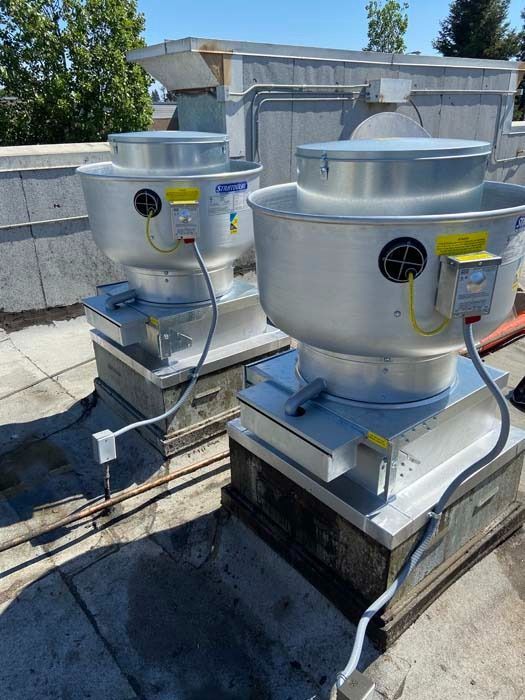
Technicians start by disconnecting the flue pipe from the equipment and inspecting it with a flashlight or borescope camera to identify blockages and corrosion. They insert flexible rods with rotating brushes into the flue, scrubbing soot and grease from the interior walls while a vacuum captures debris. On vertical flues, they work from the rooftop down, and on horizontal runs, they access cleanout ports or remove sections of pipe to reach the entire length.
After cleaning is complete, your equipment vents combustion gases without backdrafting, burners operate with clean blue flames instead of yellow or sooty flames, and carbon monoxide detectors stop triggering false alarms. Your building passes safety inspections, and your heating or cooking equipment runs at its rated efficiency without wasting fuel.
This service includes cleaning accessible flue pipes and chimneys but does not cover structural repairs to damaged masonry or flue liner replacements. Technicians test draft pressure after cleaning to confirm that gases flow correctly, and they document the work for compliance records. Some insurance policies require annual flue inspections and cleaning for commercial buildings.
Common Questions About Flue Cleaning for Commercial Equipment
Building managers and business owners often ask how to tell when a flue needs cleaning and what risks come with delaying the work.
- What causes soot to build up inside a flue?
- Incomplete combustion due to improper air-fuel ratios, burner wear, or restricted airflow creates excess soot that deposits on flue walls as exhaust gases cool.
- How often should commercial equipment flues be cleaned?
- Annual cleaning is standard for most gas appliances, while high-use equipment such as commercial ovens or large boilers may require semiannual service to prevent dangerous buildup.
- Why does an appliance shut down repeatedly after the flue becomes dirty?
- Safety controls detect insufficient draft or elevated exhaust temperatures caused by blockages, and they shut the appliance down to prevent carbon monoxide spillage into the building.
- What tools are used to clean vertical flues?
- Rotary brushes mounted on flexible extension rods scrub the interior, while industrial vacuums capture dislodged soot to prevent it from settling inside the building.
- When does flue damage require replacement instead of cleaning?
- Corroded sections with holes, separated joints, or extensive rust compromise venting safety and must be replaced to meet Sacramento building code and appliance manufacturer requirements.
To keep your combustion appliances venting safely and operating efficiently, contact Matson Mechanical Inc for equipment flue cleaning in Sacramento and ensure your system is documented, compliant, and free of hazardous buildup.